 Ginger Films
Because Every Planning Guide Forgets the Indian Part
There are hundreds of wedding checklists online. Most of them assume a single-day Western wedding. An Indian wedding has multiple events, multiple outfits, multiple rituals, multiple venues — and an uncle who's definitely going to have opinions about all of it.
This checklist is built for how Indian weddings actually work.
12–10 Months Before
- [ ] Set a realistic budget (and decide who's contributing what)
- [ ] Pick your wedding dates (check muhurat dates with your pandit)
- [ ] Decide: destination or hometown wedding?
- [ ] Start venue hunting (popular venues book 8–12 months out)
- [ ] Book your photographer/videographer — questions to ask before booking
- [ ] Begin the guest list (prepare for the "but we HAVE to invite them" conversations with family)
💡 Tip: Don't finalise your guest list in one sitting. Start with your must-invites, then let your parents add theirs. Give it two weeks of "cooling off" — names always get added and removed in waves. Set a hard cap and communicate it early.
8–6 Months Before
- [ ] Book venue(s) for all events (mehendi, sangeet, wedding, reception)
- [ ] Book caterer and finalise cuisine style
- [ ] Start outfit shopping (bridal outfits need 2–4 months for alterations)
- [ ] Book decorator/event planner
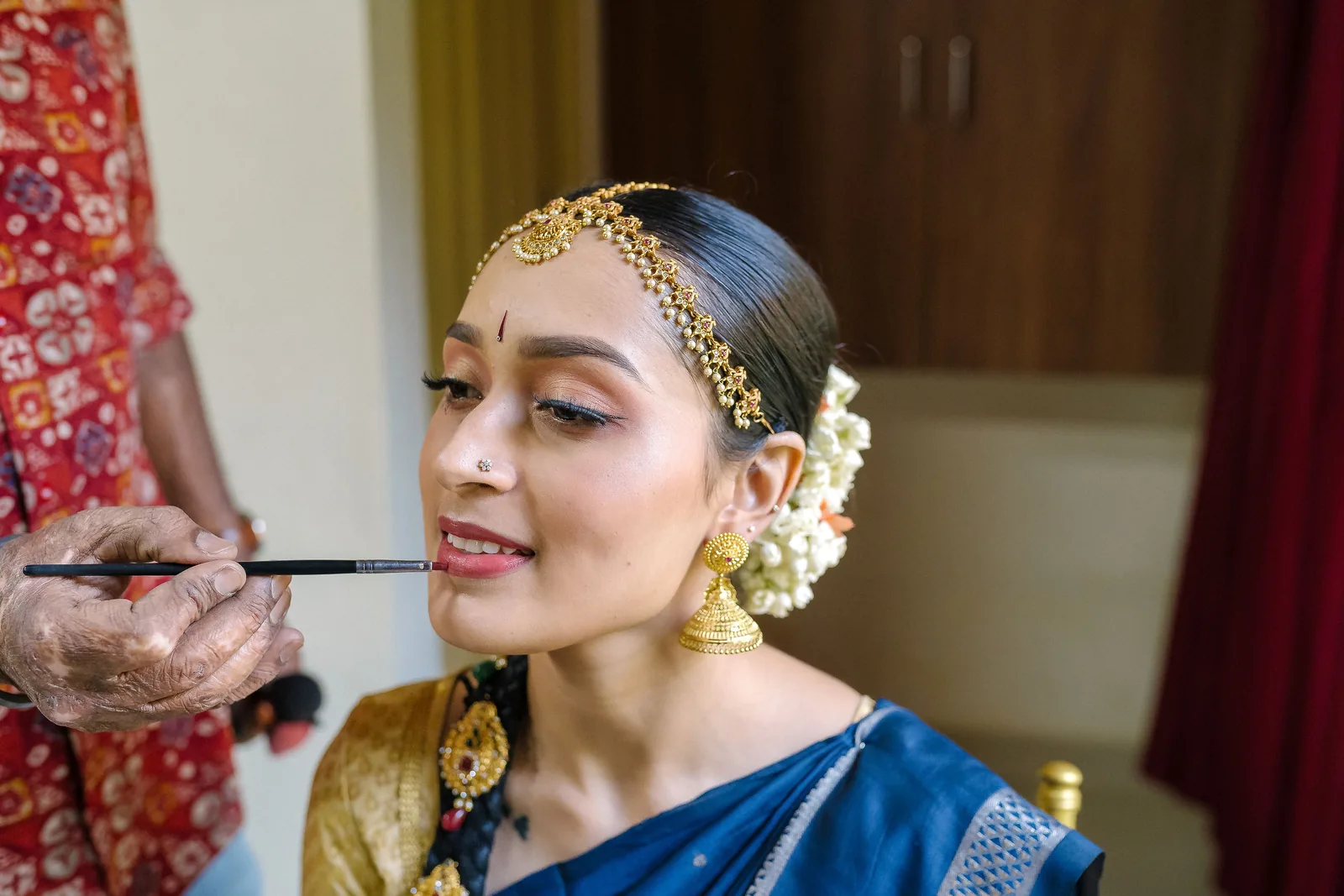
- [ ] Book makeup artist (top MUAs book 6+ months ahead)
- [ ] Begin conversations with parents about expectations — the earlier, the smoother
- [ ] Research and book DJ/music/band
- [ ] Send save-the-dates for destination weddings
📋 Quick list: Vendors to book earliest (they fill up fastest)
- Photographer/videographer (6–12 months)
- Venue (8–12 months)
- Makeup artist (6–9 months)
- Caterer (4–8 months)
- Decorator (3–6 months)
4–3 Months Before
- [ ] Finalise wedding invitations (print + digital)
- [ ] Send invitations (allow 6–8 weeks for outstation guests)
- [ ] Finalise all outfits and accessories
- [ ] Book pandit and discuss rituals — which ones you want, which you want explained in English, which you'd like to adapt
- [ ] Book accommodation for outstation guests
- [ ] Plan the mehendi and sangeet programs
- [ ] Book mehndi artists
- [ ] Start a shared planning doc or WhatsApp group with key family members
2–1 Months Before
- [ ] Confirm all vendor bookings (venue, caterer, photographer, decorator, MUA, DJ, pandit)
- [ ] Do a pre-wedding shoot (if included in your photography package)
- [ ] Final guest count to caterer
- [ ] Finalise detailed event timeline with all vendors
- [ ] Appoint your wedding day point person — this one decision saves everything
- [ ] Trial makeup session
- [ ] Finalise seating arrangements
- [ ] Arrange transport for the baraat, if applicable
- [ ] Plan your haldi ceremony logistics — what you need to know
1 Week Before
- [ ] Confirm timings with every vendor (one final call each)
- [ ] Pack your wedding day kit: emergency sewing kit, safety pins, tissues, stain remover, medicines
- [ ] Break in your wedding shoes (do NOT wear new shoes for the first time at the wedding)
- [ ] Pack your snack bag
- [ ] Give your point person the complete vendor contact list and timeline
- [ ] Rehearse the ceremony timeline with family (especially for early muhurats)
- [ ] Have a quiet dinner with your partner — the calm before the storm
💡 Tip: The week before the wedding is when family stress peaks. Delegate ruthlessly. You don't need to personally pick up flowers or confirm the ice delivery. That's what your point person and family volunteers are for. Protect your energy for the day itself.
Wedding Day
- [ ] Eat breakfast. Seriously. Read why this matters.
- [ ] Keep your phone on silent. Assign someone else to handle calls.
- [ ] Arrive at the venue on time (add buffers for delays)
- [ ] Trust your vendors. You've chosen them — let them do their job.
- [ ] Be present. Look around. Breathe. This is your day.
The Things Every Checklist Forgets
These never make it into generic lists, but they matter at Indian weddings:
| Often Forgotten | Why It Matters |
|---|---|
| Extra outfits for haldi | You and your bridesmaids will get stained |
| Cash for tips | Band, waiters, setup crew — keep small denominations handy |
| Charger and power bank | Your phone will die by the sangeet |
| Comfortable footwear | Switch from heels to flats between events |
| A bag for gifted envelopes | You'll receive shagun — have somewhere safe to keep it |
| Water bottles with straws | Protect that lipstick |
| A sense of humour | Something will go wrong. It always does. Laugh about it. |
Key takeaway: The best-planned weddings aren't the ones where nothing goes wrong. They're the ones where someone was prepared to handle it when it did.
Frequently asked questions
When should I start planning an Indian wedding?
Ideally around a year before, starting with the budget, dates (and muhurat), venue, photographer and guest list.
Which wedding vendors should I book first?
The ones that fill up fastest: venue, photographer and videographer, and makeup artist, followed by caterer and decorator.
What do Indian wedding checklists usually forget?
Extra outfits for haldi, cash for tips, a charger and power bank, comfortable footwear, a safe bag for gift envelopes and water bottles with straws.