 Ginger Films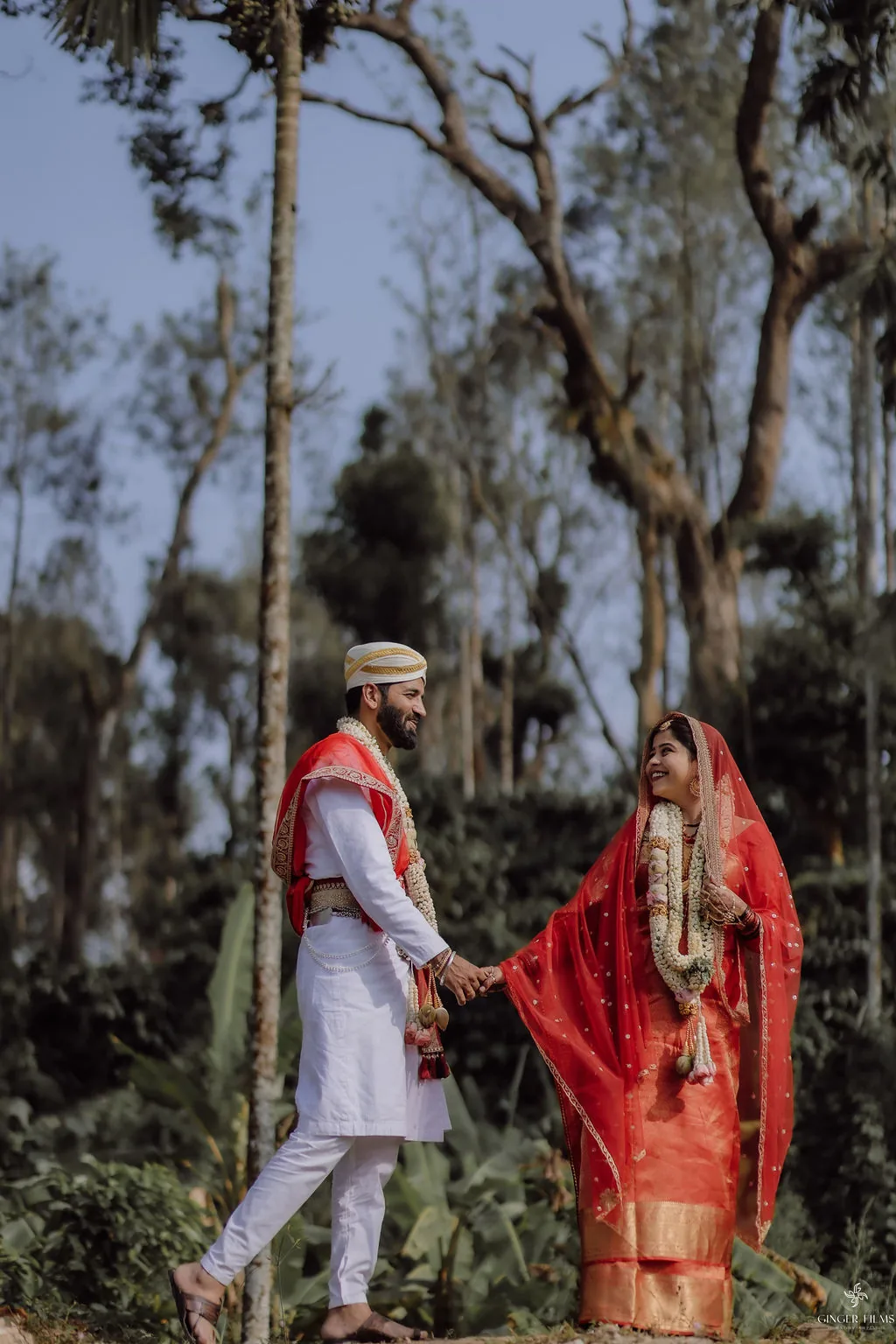
Two Weddings, or One?
When one of you is from Punjab and the other from Kerala, or Bengal meets Karnataka, the first instinct is often to do everything twice: two sets of rituals, two cities, two receptions. That's how an inter-state wedding quietly doubles in cost.
It doesn't have to. Here is how couples we've worked with have kept both families happy without paying for two weddings.
Step 1: Sit Down and List What Truly Matters to Each Family
Ask both sets of parents a simple question: "Which rituals would really hurt to miss?" Not everything they'd like. Just the must-haves.
You'll usually find each side has two or three non-negotiables. Everything else is flexible. That list becomes your plan.
Step 2: Choose a Format
Option A: One wedding, blended rituals
One venue, one set of dates, with each family's key rituals given their own time slot. For example, a morning ceremony in one tradition and an evening ceremony in the other. This is usually the most budget-friendly option.
Option B: One wedding, one reception in the other city
Full wedding in one hometown, then a simple reception in the other for relatives who can't travel. Keep the reception small and simple and it won't cost like a second wedding.
Option C: A neutral destination
Pick a place in between, or somewhere neither family lives. Nobody "hosts", so nobody feels like a guest at the other side's wedding. Guest travel costs go up, but the guest list usually comes down.
Step 3: Agree on Money Early
Different regions have different customs about who pays for what. Don't assume. Have one calm conversation, early, about:
- Who pays for which event
- Who books and pays for guest travel and stay
- Whether there's one shared budget or two separate ones
Write it down and share it with both families. It prevents a lot of hurt later.
Step 4: Cut Costs That Nobody Will Notice
- One caterer, two cuisines. A good caterer can do a North and a South menu at one event.
- Shared decor. Reuse the same flowers and set-up across back-to-back events at one venue.
- Fewer travel days. Every extra day means more hotel nights for everyone.
- One photography team for everything. Hiring two separate teams for two cities costs far more than one team that travels. See our guide to cutting costs without cutting what you'll keep.
Step 5: Explain Each Ritual to the Other Side
Guests enjoy rituals much more when they understand them. A small card, a short announcement or a one-page note in the WhatsApp group goes a long way. It also makes each family feel respected.
Keeping Both Families in Sync
Inter-state weddings often fall apart in the details: two guest lists, two sets of aunties, two family WhatsApp groups. Synapsium, built by our team at Ginger Films, keeps one shared guest list, budget and task list for both sides, so everyone works from the same plan. It's free to use.
From our side: some of our favourite weddings to film are the ones where two traditions meet. Tell us which rituals matter most to each family, and we make sure every one of them is covered properly.